
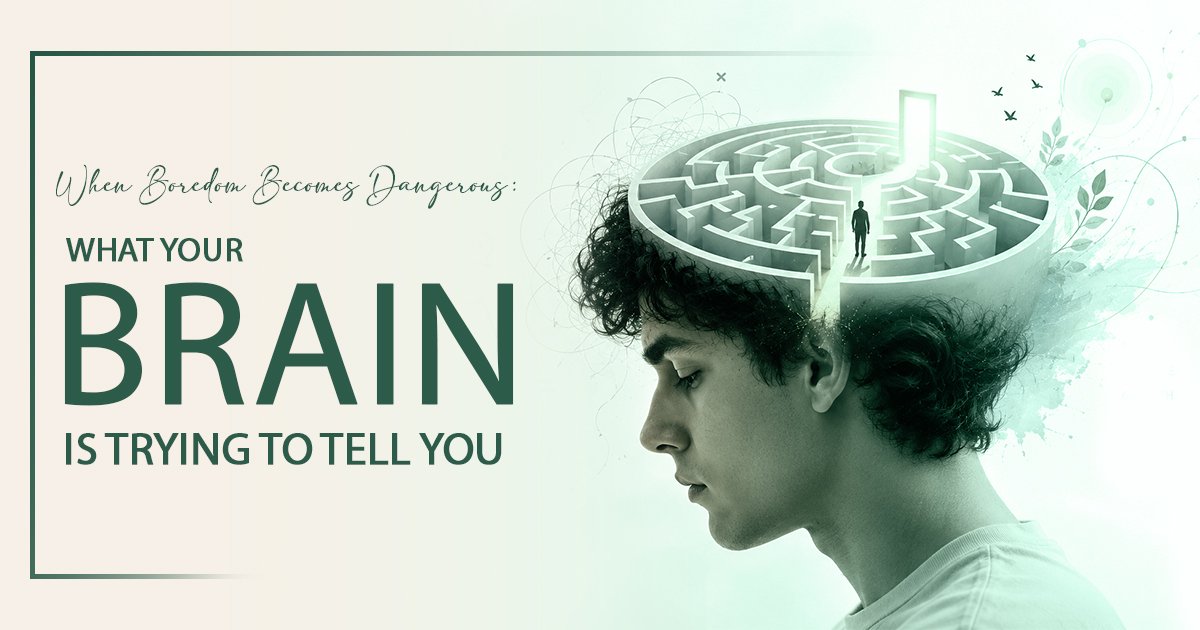
Bored to death
It’s been ten years since I last tried to die. I thought I was over that obsession. I thought I learned how to control my suicidal ideations. I did everything right, or so I thought.
“I have no reason to want to die,” I admit sheepishly while the psychiatrist flips through my chart to see which chemicals calmed my suicidal thoughts in the past. “Sure, ten years ago I had the breakdown and divorce to deal with, but now?” I pause as if I put myself in checkmate. “Now, I
have everything I ever thought I wanted – a loving husband, the kids are grown, a steady job and lots of travelling. I even published that book that I was working on. Surely, this must be a chemical thing?” I asked, hoping that the doctor will pull out a magic pill to make these pestering thoughts go
away.
“When last did you do bloodwork?” she asks, still scanning my file. “It could be some deficiency, like iron. Or… how old are you? Hormones can really mess with your mood.”
I don’t answer her. The frown on my forehead deepens as the weight of my confession starts weighing me down. For ten years I’ve been training my mind not to be obsessed with death. I bought into the theory of neuroplasticity – that my broken brain can change. And it worked, I swear it
did! Before I tried it, my thoughts were disorganized, intense and random. But when I started building new thoughts and smothering the destructive ones, my brain breathed again.
I rebuilt my connections the last few years. I’m now more connected to my community and to God than I’ve ever been. And there is joy in that. When I connect with someone I’m yanked out of my brain funk, and I’m in the present – a pleasant and happy present. It’s not masking. I’m not
pretending to be happy. I truly am content and fulfilled when I’m with others.
It’s those quiet hours. The hours when I have time to listen to my thoughts, when a random, intense, gut-punch suicidal thought derails me. Like a broken streetlight, the old thought pattern flickers to light in my brain and there is nothing that triggers it. No stress; no memory; no sound – nothing. It’s just there, like a worn-out Jack-in-a-box.
“Does this happen more frequently at work?” the doctor leans forward on her desk, ready to take note of my answer. I shake my head and shrug. I haven’t noticed if it keeps office hours.
“How is work?” she pries. “Is it stressful?”
“Hell, no,” I blurt out. Stepping down from the rat race into an administration position was a lifestyle change that I traded for my ambitious corporate job. My job is not challenging at all. If I must be honest, it’s boring. But I work seven-day shifts, and then I’m off for seven days. This is the perfect work/life balance.
“We travel a lot,” I explain, trying not to sound blaze about it. “Last month, I was tanning on a beach in Antigua, one of the most beautiful and serene places I’ve been, and a suicidal thought hit me out of nowhere. Like bang, and then that immediate wave of relief and peace afterwards. Why? Where does this come from?”
“Mmmmm,” the psychiatrist hums. “Interesting…. I’m sending you for bloodwork. In the meantime, let’s up your venlafaxine, add some brexpiprazole and lorazepam. You can also take the modafinil if you want to. And Ativan can help if it becomes too overwhelming.”
I’m not against psychiatric drugs. I’m alive because of them. I’ve been taking medication for my mood for over a decade now. But I feel defeated as I leave the doctor’s room. I thought I was weening myself off these chemicals. Why am I going back to higher dosages and adding new chemicals to the cocktail? Am I still broken?
Angry, and disappointed, I allow the thoughts of failure and weakness roll around in my head as I putter around the house, not really doing anything constructive. And then another suicidal thought rams through the milling thoughts fogging my mind. Stop it!
I must speak to Jesse, my counsellor. On a video call from a cold, dark room in my basement, we start digging.
“What happens just before you get these thoughts?” he asks, never taking his eye off the camera.
“Nothing. It usually hits me when I’m alone.”
“And what stops them?”
“I consciously identify them for what they are and block them. I’m not entertaining those thoughts anymore.”
“Good,” he nods and it seems as if he is processing the information. “Do you notice them when you are busy, or around people?”
“I notice them when I’m in a crowd, but not when I’m engaged. They are the strongest when I’m alone and bored.” I pause. “That sounds so stupid,” I say. “It can’t be this simple, can it?”
Jesse nods and then smiles. “This is interesting. Addicts say the same thing. Their urges and cravings the strongest when they are bored.”
We continue chatting for a little bit, but I’m compelled to read up on this. Can someone be bored to death?
According to the Journal of Ethics from the American Medical Association, a recent study identifies boredom as a maladaptive ‘ingredient’ that might trigger suicide behaviors, regardless of depression. Very little research has been done on boredom as a risk factor for mental health, but some studies have found that “profound boredom” must be seen as more than just disinterest or discouragement. Some researchers feel that it’s a silent warning sign that can lead to severe consequences if ignored.
Betterhelp.com warns that although boredom is a universal experience, persistent boredom can be a sign that something needs attention. This ties in with what Johann Hari talks about in his book Lost Connections when he speaks of the impact of disconnect from meaning, challenge, and community.
Don’t worry, although boredom and depression share some symptoms, they are not the same condition. If, like me, you live with depression, be aware that boredom can exasperate your depressive symptoms. Your brain is remarkable. It needs stimulation or it can become destructive. Lean on your support, build a routine or some structure into your life, or speak to a professional if your boredom starts to get dangerous.
My suicidal thoughts are not so frequent anymore. And although they still pop up, knowing why and adjusting my life accordingly, helps me to sidestep them. Below are a few websites about depression and boredom which helped to put my mind at ease. Apart from reading up on the
latest research, I now keep myself busy, consciously planning activities that will keep my mind from wandering into dangerous territories.
Never ignore suicidal thoughts, even if they are fleeting. A healthy organism wants to live. If you or someone you know is experiencing suicidal thoughts, help is available. The 988 Suicide and Crisis Lifeline can be reached at 988 via phone call or text and is available 24/7.