
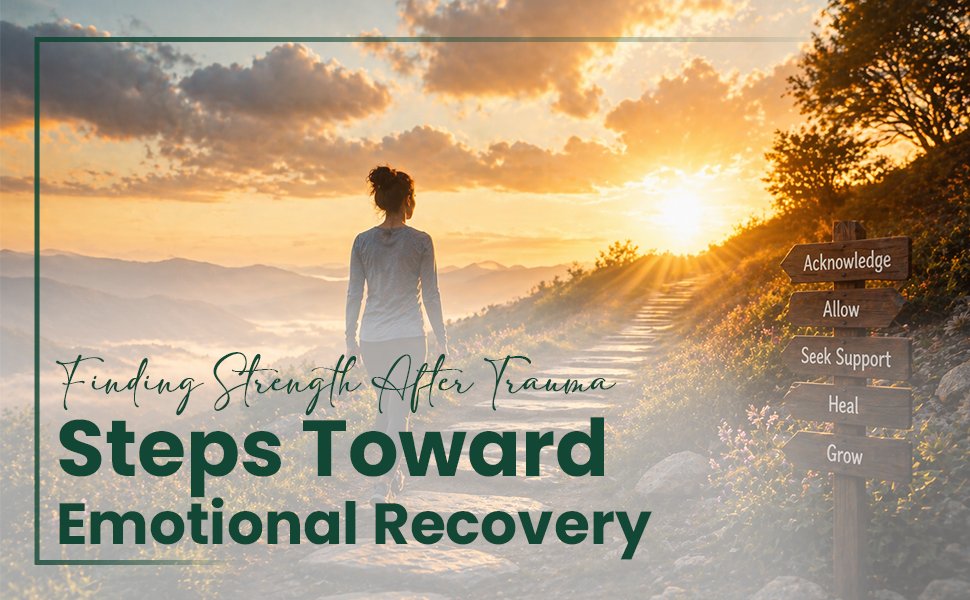
Trauma can leave a lasting impact on a person’s emotional and mental well-being. It can shape how individuals see themselves, others, and the world around them. However, healing is possible. With time, support, and self-awareness, individuals can move forward and begin the journey of emotional recovery after trauma.
For many people, the process of healing feels overwhelming at first. The pain may seem too deep, and the path forward unclear. But as shown in the journey of Carina Francis, recovery is not only possible—it can lead to growth, strength, and a renewed sense of purpose.
Understanding Trauma and Its Impact
Trauma affects individuals in different ways. Some may experience anxiety, emotional numbness, or difficulty trusting others. These reactions are natural responses to difficult experiences.
Recognizing these feelings is the first step toward emotional recovery after trauma. When individuals begin to understand their emotions, they can start to process and heal from them.
Carina Francis highlights this process through her story, showing how awareness is essential for healing. Her experiences also connect with How Personal Stories of Trauma Help Break Mental Health Stigma, where understanding trauma plays a key role in breaking silence.
Accepting Your Emotions
One of the most important steps in healing is acceptance. Many people try to ignore or suppress their emotions, believing it will make the pain go away. However, true healing begins when individuals allow themselves to feel.
Emotional recovery after trauma requires honesty. It means acknowledging pain without judgment and giving yourself the space to process it.
Carina Francis emphasizes that accepting emotions is not a sign of weakness—it is a step toward strength. This idea also aligns with The Power of Vulnerability: Why Sharing Your Story Heals You and Others, where openness becomes a tool for healing.
The Role of Support and Connection
Healing does not happen in isolation. Support from others plays a crucial role in recovery. Whether it comes from friends, family, or professionals, having someone to talk to can make a significant difference.
Emotional recovery after trauma becomes easier when individuals feel supported and understood. Conversations create a sense of connection and reduce feelings of loneliness.
Carina Francis highlights the importance of connection in her journey, showing that sharing experiences can create powerful bonds. This is also reflected in Why Mental Health Awareness Starts with Honest Conversations, where openness leads to support and understanding.
Rebuilding Trust and Confidence
Trauma can affect trust—both in others and in oneself. Rebuilding that trust takes time and patience.
As individuals move through emotional recovery after trauma, they begin to regain confidence. Small steps, such as setting boundaries or practicing self-care, can help rebuild a sense of control.
Carina Francis demonstrates that rebuilding trust is a gradual process. Her story shows that even after difficult experiences, it is possible to feel safe and confident again.
Finding Meaning Through Healing
Healing is not just about overcoming pain—it is also about finding meaning in the experience. Many individuals discover new strengths, perspectives, and values through their journey.
Emotional recovery after trauma often leads to personal growth. It allows individuals to understand themselves more deeply and develop resilience.
Carina Francis reflects this transformation in her story. Her experiences show that even the most difficult moments can lead to positive change.
This journey of transformation is also explored in From Darkness to Light: How Memoirs Guide Emotional Healing, where personal stories guide individuals toward growth.
Developing Healthy Coping Strategies
Recovery involves learning how to manage emotions in a healthy way. This may include practices such as:
- Journaling
- Mindfulness or meditation
- Physical activity
- Seeking professional support
These strategies help individuals move forward in their journey of emotional recovery after trauma.
Carina Francis emphasizes the importance of self-care and consistency. Her story shows that healing is not about perfection—it is about progress.
The Importance of Patience
Healing takes time. There is no fixed timeline for recovery, and everyone’s journey is different.
During emotional recovery after trauma, individuals may experience ups and downs. Some days may feel easier than others, and that is completely normal.
Carina Francis reminds readers that patience is essential. Her journey shows that even slow progress is still progress.
Moving Forward With Strength
As individuals continue their journey, they begin to see their strength. What once felt overwhelming becomes manageable, and what once caused pain becomes a source of resilience.
Emotional recovery after trauma is not about forgetting the past—it is about learning to move forward with it.
Carina Francis demonstrates that strength comes from perseverance. Her story inspires others to keep going, even when the path feels difficult.
Conclusion
Healing after trauma is a journey filled with challenges, but also with opportunities for growth and transformation. By accepting emotions, seeking support, and staying patient, individuals can move toward emotional recovery after trauma.
The journey of Carina Francis shows that recovery is possible and that strength can emerge from even the most difficult experiences.
Ultimately, healing is not about becoming who you were before—it is about becoming stronger, wiser, and more resilient than ever before.